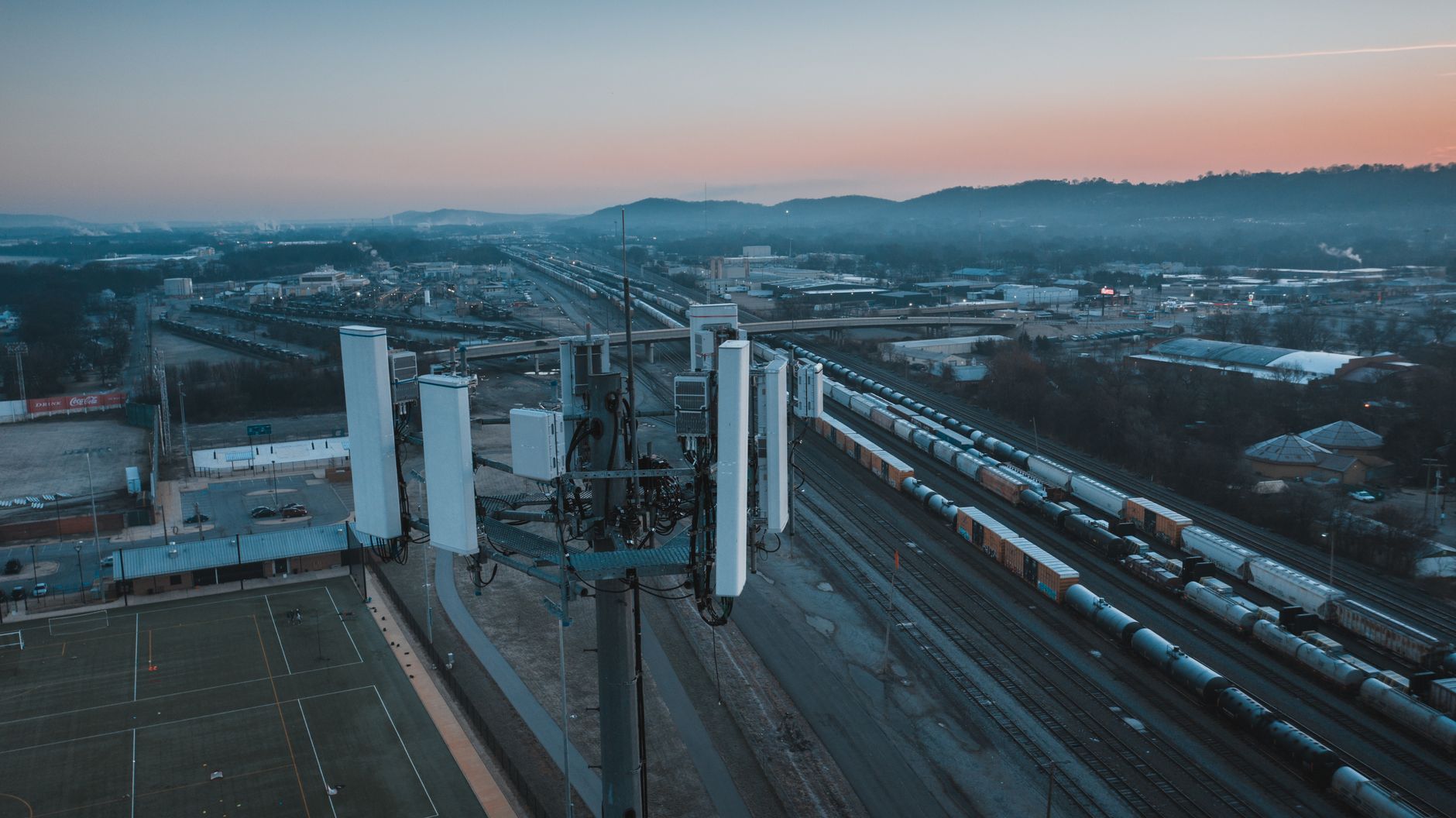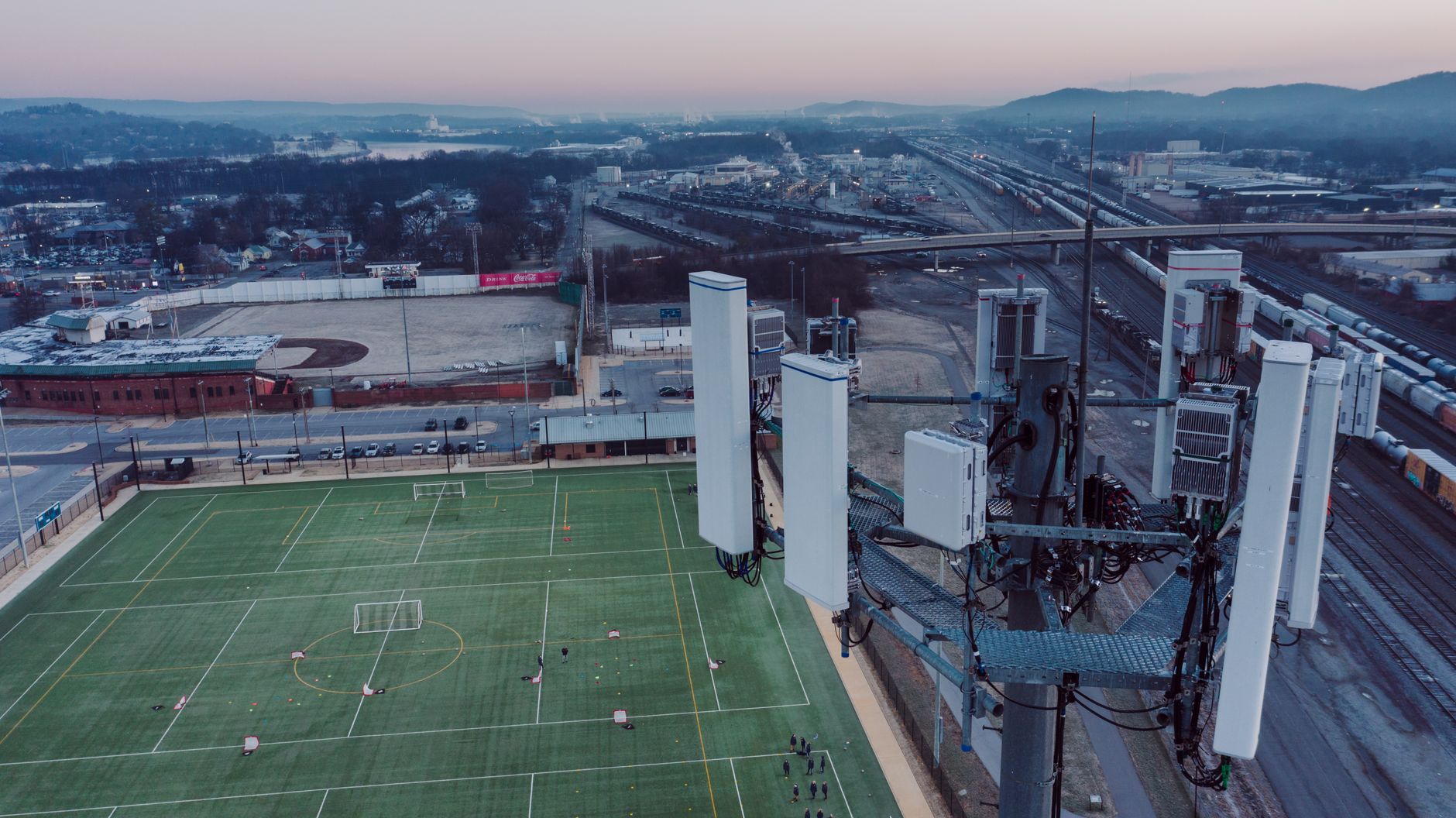
A telecom site expansion may call for different survey information depending on whether the work changes a compound, access route, utility connection, or other site feature. The project team should identify the proposed work area, available property and easement records, existing site plans, design needs, and the questions the survey must answer. A survey scope should follow those decisions, not assume that every expansion needs the same deliverable.
Define the footprint of the proposed work
Start with the specific change under consideration. Is the team adding equipment within an existing compound, moving a fence, changing access, or extending utilities beyond the present work area? Show the proposed limits on a current plan or marked exhibit, and distinguish existing features from design concepts. If the concept is still fluid, say which alternatives the surveyor should account for when scoping the work.
The surveyor may need to document existing conditions where design or construction will occur. Ask the designer which elevations, surface features, structures, utilities visible at the surface, and adjoining improvements are material to the proposed change. Do not treat a general site image as a substitute for a defined survey deliverable.
Collect records before defining the field assignment
Provide any prior surveys, as-builts, site drawings, title or lease exhibits, and known easement documents. Identify their dates and sources. The team should not assume an older drawing reflects current field conditions or that a lease exhibit alone answers boundary and access questions. Where the expansion reaches beyond the existing compound or changes how the site is used, the telecom boundary survey scope may need review; flag the property-rights questions for the appropriate legal and project reviewers.
For a route outside the site, the survey conversation may extend into right-of-way planning. The separate right-of-way survey guide explains what route teams should clarify before finalizing an alignment.
Match the deliverable to design and construction decisions
Ask the civil and telecom designers to specify the information they need to place the proposed improvement and coordinate it with existing work. If construction layout is also required, identify it as a separate phase rather than assuming it is included with an existing-conditions survey. State the desired file format, reference information, review milestones, and who will resolve discrepancies between design and observed conditions.
Site access can affect fieldwork. Identify the property contact, security or escort requirements, active equipment areas, and any restrictions on when crews may enter. Give the surveyor a practical contact for questions and a current plan set, so the proposal can state assumptions and exclusions clearly. For general schedule factors, see how access, records, and scope affect survey turnaround.
Use the scope to close open questions
A useful request for a telecom site expansion includes the proposed footprint, purpose of the survey, available records, required existing-condition detail, access constraints, deliverable format, and the people authorized to answer design questions. The surveyor can then identify what can be supported by existing information and what needs field research or measurement. Have the project’s design and property-rights leads review the resulting scope before treating it as complete.